International markets
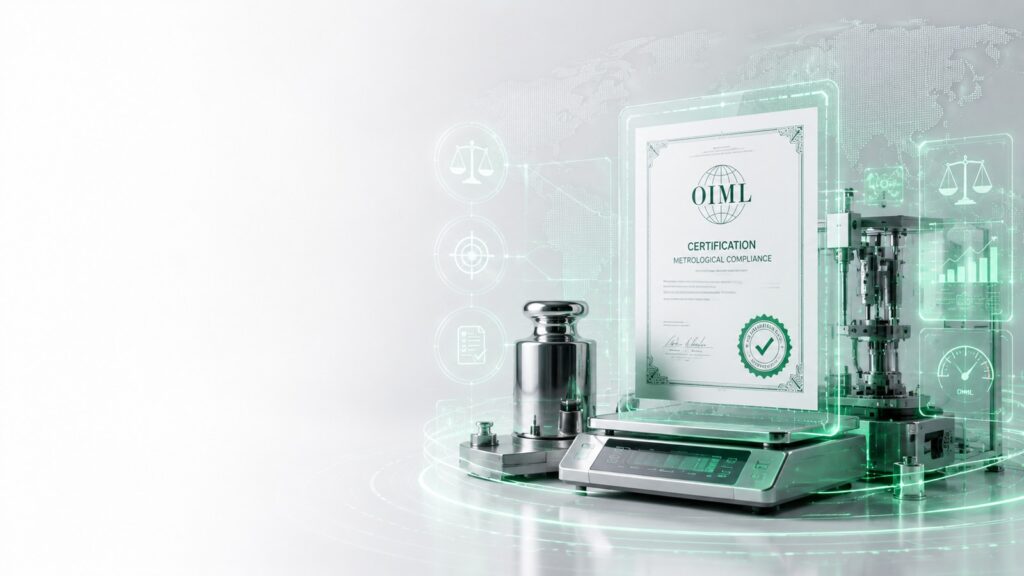
OIML certification: what machinery manufacturers need to know
When OIML certification is relevant to integrated machine and measuring instruments manufacturers.
For many machine manufacturers, the OIML certification comes into play when the machine integrates measuring instruments, weighing systems, load cells, dispensers, scales or devices used in contexts where measurement has legal, commercial or contractual significance.
The theme is especially important for machines intended for international markets, dosing lines, packaging systems, industrial weighing, food plants, pharmaceuticals or processes in which the measured value affects sold quantities, official controls, product quality or contractual obligations.
What is OIML and why it also concerns machines
OIML is the International Legal Metrology organisation. Its Recommendations and the OIML-CS system support international harmonisation of the requirements applicable to measuring instruments subject to metrological control. For a machine manufacturer, this means you can choose components and tools with a document base recognized in multiple markets.
OIML certification is not the CE marking of the machine and does not replace risk analysis. It is a technical and documentary element that can be necessary or strategic when the measuring instrument embedded in the machine must ensure recognized metrological performance. Reference
When OIML certification becomes relevant
The need depends not only on the component, but on its use. A load cell used for internal adjustment can have a different setting than a scale used to determine the quantity sold.
Tool Certification and Machine Conformity
A frequent error is to think that the purchase of a certified tool automatically makes the whole machine compliant. The instrument certificate demonstrates metrological characteristics of the component or module, but the manufacturer must nevertheless verify correct integration, installation, intended use, software, protections, calibration, maintenance and documentation of the machine.
Documents to be requested from the supplier
- OIML certificate or equivalent tool/module documentation.
- Test report or type evaluation report, if available.
- Technical installation instructions for use and permitted usage conditions.
- Indications on accuracy class, measurement field, environmental limits and authorized configurations.
- Calibration instructions, periodic verification, maintenance and metrological seals, when applicable.
- Declarations of conformity and certificates relating to electrical, EMC and safety aspects, if relevant.
Frequently Errors
choose certified tools without checking the certificate validity field
do not store certificates, reports and instructions for use in the machine's technical file Reference
modify software or metrological settings without evaluating the impact
confuse industrial accuracy and legal metrological compliance
omit inspection, maintenance and calibration instructions from the instructions for use. Reference
How Waves Engineering supports manufacturers
Waves Engineering supports manufacturers in verifying the documentation of measuring instruments, in the framework of the applicable metrological requirements, in the evaluation of integration within the machine and in the preparation of the technical documentation necessary for European and non-EU markets.
FAQ
Is the OIML certification always mandatory?
No. It depends on instrument, measurement function, target market and contractual or legal metrology requirements.
Does a OIML tool make the machine compliant?
No. Supports the metrological compliance of the instrument, but the machine must be evaluated as a whole.
What tools are often involved?
Balances, load cells, weighing systems, metering, flow meters and tools used in commercial or regulated applications.